
How Playground Shade Structures Protect Children and Extend Equipment Life
Essential Sun Protection: How Quality Shade Structures Keep Children Safe and Active Year-Round
Summer in Texas, Oklahoma, Arkansas, and Louisiana brings joy—and intense heat. Parents look forward to sending kids to playgrounds for outdoor fun, fresh air, and exercise. But as the sun beats down, many playgrounds become nearly unusable during peak hours. Metal slides become dangerously hot, children complain about the heat, and families cut playground time short. This doesn’t have to be the case. Quality playground shade structures transform outdoor spaces from places families avoid during hot months into year-round community gathering spots where children stay safe, comfortable, and active. At Hunter Knepshield, we’ve been helping parks and recreation departments across the South create better outdoor spaces for over 55 years. We understand that shade structures aren’t a luxury add-on—they’re essential infrastructure that protects children from harmful UV rays, prevents equipment-related burns, extends equipment life, and dramatically increases playground usage. Research shows that shaded playgrounds are used significantly more throughout the day, especially during morning and afternoon hours when the sun is strongest and children most need protection. In this guide, we’ll explore why playground shade structures should be a priority for every community and how thoughtful shade planning creates safer, more inviting outdoor spaces that strengthen neighborhoods.
1. UV Protection: Shielding Children from Harmful Rays
The sun’s rays are strongest between 10 a.m. and 4 p.m.—exactly when children are at school recess and most likely to be playing outdoors.
The Health Impact: Exposure to ultraviolet radiation during childhood significantly increases skin cancer risk later in life. Research shows that even a single severe sunburn in childhood can double the risk of melanoma in adulthood. Children are particularly vulnerable because their skin is more sensitive and they often don’t recognize sun exposure risks the way adults do. Between 55 and 72 percent of children experience sunburn annually.
Shade as Prevention: Quality shade structures block up to 90-97 percent of harmful UV rays, providing passive, continuous protection without requiring sunscreen reapplication or time restrictions. Unlike sunscreen, which wears off and requires reapplication, shade structures provide consistent protection throughout play sessions.
Southern Heat Reality: In Texas, Oklahoma, Arkansas, and Louisiana, where summer temperatures regularly exceed 90 degrees and the sun intensity is significant, playground shade isn’t just comfort—it’s essential health protection. Children in these regions face extended sun exposure during long summer breaks and after-school play, making shade structures particularly critical.
2. Temperature Control: Making Equipment Safe to Use
Unshaded playground equipment heats to dangerous temperatures in direct sunlight.
The Numbers: Metal slides and plastic seats can reach surface temperatures of 140+ degrees Fahrenheit in the sun. These temperatures cause serious burns and can incapacitate children within seconds. Shaded areas can reduce surface temperatures by up to 59 degrees, making equipment immediately safer and more comfortable.
Beyond Sunburn: Beyond burns, excessive heat exposure causes heat exhaustion, heat stroke, dehydration, and muscle cramps—serious heat-related illnesses that disproportionately affect children because they sweat less efficiently and acclimate more slowly to warm temperatures than adults.
Extended Play Time: When playgrounds are cooler, children stay longer and play more actively. Shade structures can lower playground temperatures by 15-20 degrees, making hot summer days actually enjoyable. This translates directly to more physical activity—exactly what communities need during seasons when outdoor activity is most important.
3. Equipment Longevity: Protecting Your Investment
Playground equipment exposed to constant sun fades, cracks, warps, and deteriorates far more quickly than protected equipment.
UV Degradation: The same UV rays that harm children’s skin degrade playground materials. Plastics become brittle and crack. Fabrics fade and lose color appeal. Metal oxidizes and corrodes. Wood dries out and splinters. This accelerated wear means equipment needs replacement more frequently, dramatically increasing long-term costs.
Shade Protection: Quality shade structures reduce these problems significantly by blocking direct UV exposure. Equipment that’s protected stays brighter, safer, and more inviting longer. This protection extends equipment lifespan by years, making the initial shade structure investment pay for itself through reduced maintenance and replacement costs.
Maintenance Reduction: Parks spending resources constantly repairing and replacing sun-damaged equipment could instead invest once in shade structures and dramatically reduce ongoing maintenance burden.
4. Increased Usage and Community Value
Shaded playgrounds serve more people more often.
Year-Round Viability: Without shade, playgrounds become unused during peak heat hours and hot months. Families visit early morning or evening, limiting social opportunities. Shaded playgrounds are usable throughout the day and summer season, becoming true community gathering spots where families congregate during natural playtime hours.
Extended Seasons: Shade structures extend beyond summer benefits. They provide protection from light rain, allowing play to continue during drizzle. In cooler months, shade structures still reduce wind and provide shelter. This year-round utility increases overall playground usage and community value.
Social and Physical Development: When playgrounds are comfortable and safe, more children use them, which means more social interaction, more physical activity, and healthier communities. Research shows direct correlation between playground comfort and community engagement.
5. Aesthetic and Design Flexibility
Modern shade structures are no longer utilitarian afterthoughts—they’re design elements that enhance playground appeal.
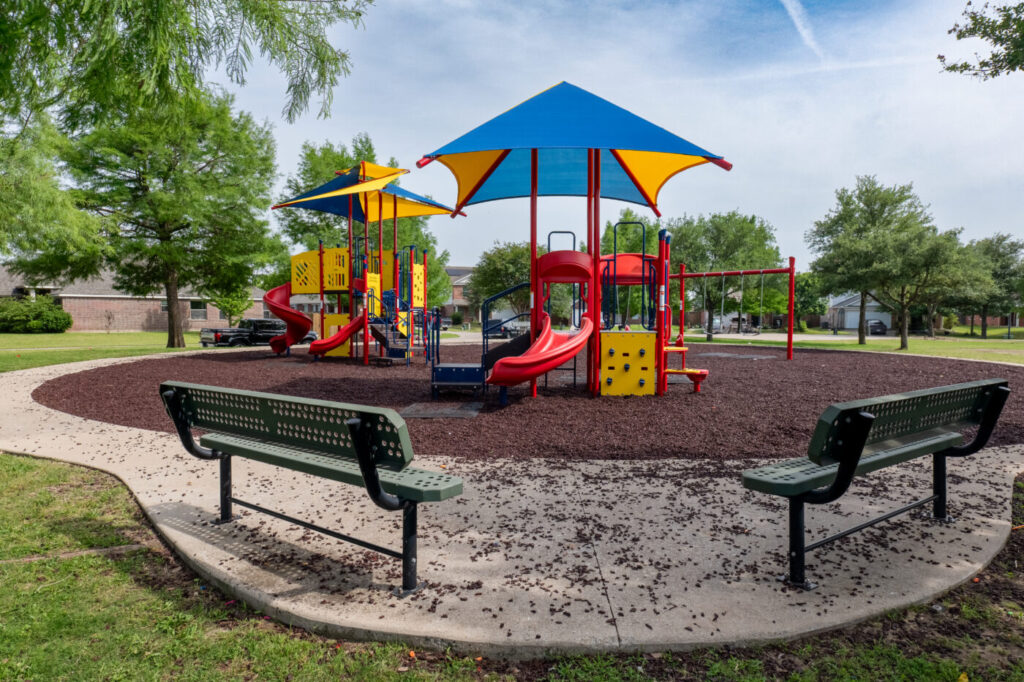
Color and Style Options: Playgrounds can incorporate shade through various designs: traditional hip-and-ridge canopies, modern shade sails in vibrant colors, specialized swing set canopies, or individual umbrellas for smaller areas. These structures add visual interest, can incorporate school or community colors, and signal that the space was thoughtfully designed.
Customization: Quality shade structures can be customized to specific playground layouts, ensuring coverage of play areas, seating zones, and gathering spaces. This flexibility means every playground—whether large community park or small neighborhood space—can find appropriate shade solutions.
Ready to Create a Safer, More Inviting Playground?
Playground shade structures aren’t optional extras—they’re essential infrastructure that protects children, extends equipment life, and transforms playgrounds into year-round community assets. Hunter Knepshield specializes in helping parks and recreation departments across Texas, Oklahoma, Arkansas, and Louisiana create outdoor spaces where families want to gather and children thrive.
Whether you’re planning a new playground, upgrading an existing one, or addressing specific community needs, our expertise in commercial shade structures, playground equipment, and site design can help. We understand your regional climate challenges and design solutions that work for Southern heat.
Ready to upgrade your playground with quality shade structures? Contact Hunter Knepshield today for a consultation. Let’s discuss how shade structures can make your park safer, cooler, and more valuable to your community. Call us or visit our website to get started.