
Gross Motor Magic: How Climbing Structures Build Core Strength and Coordination
Why Climbing Equipment Is Essential for Strong Bodies and Confident Kids
When you watch a child tackle a climbing structure for the first time, you’re witnessing far more than just play. Behind every grip, every stretch, and every triumphant reach is a sophisticated developmental process that shapes their physical capabilities, cognitive skills, and emotional confidence for years to come. Climbing structures are among the most powerful tools available for building gross motor skills, and the science backing their importance has never been stronger.
At Hunter Knepshield, we design climbing structures with this developmental magic in mind. We understand that effective playground equipment isn’t about creating obstacles for children to overcome, but rather creating opportunities for fundamental growth. Core strength, balance, coordination, and spatial awareness form the foundation for everything from sitting properly at a desk to succeeding in sports and physical activities. Our climbing structures are engineered to support these critical developmental milestones while maintaining the safety standards that protect the children using them. For schools, parks, and recreation facilities across the country, investing in quality climbing equipment means investing directly in children’s long-term physical health, academic readiness, and self-confidence.
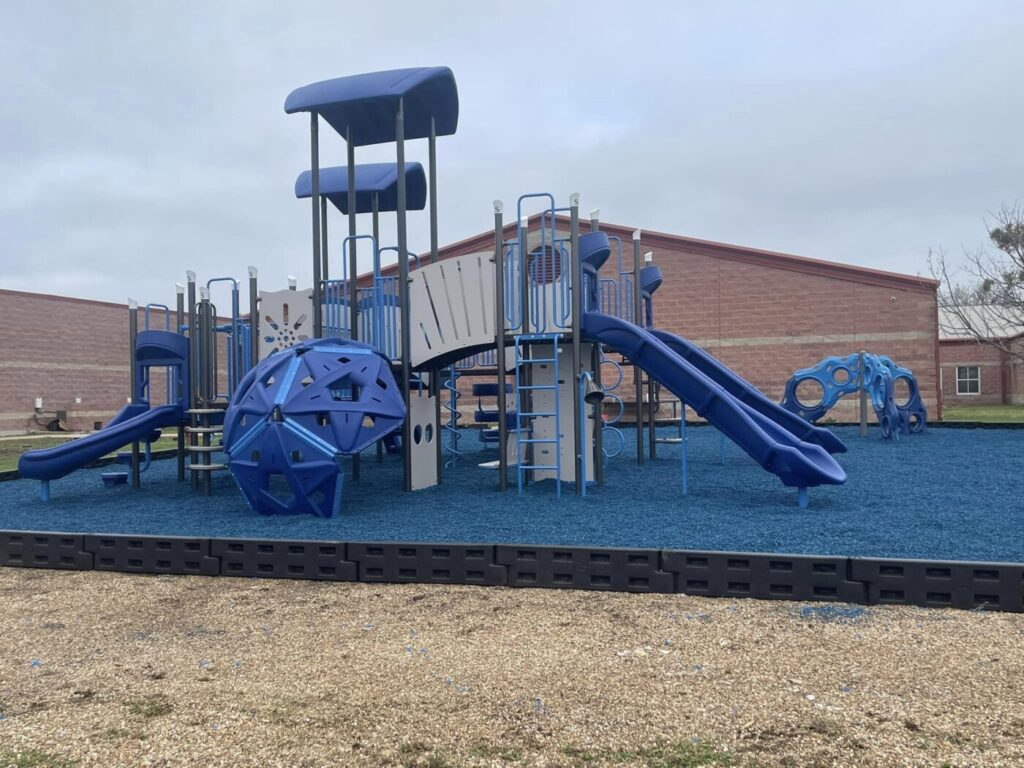
Understanding Gross Motor Skills and Core Strength
Gross motor skills involve the coordination of large muscle groups—the arms, legs, and torso. These are the movements children use for everyday activities like running, jumping, walking, and climbing. But these skills depend fundamentally on core strength. A strong core provides the stability and control that allows children to perform complex movements without excessive strain or risk of injury.
Core muscles stabilize the body during dynamic movements like running, jumping, and climbing, and are foundational to gross motor skill development. When children use climbing structures, they’re engaging their entire core—abdominal muscles, back muscles, and stabilizer muscles throughout their torso. This engagement happens naturally through play, building strength that translates directly into improved posture, balance, and coordination.
Research published in the Journal of Motor Learning and Development shows that climbing activities engage multiple body systems simultaneously—proprioceptive, vestibular, and kinesthetic—creating neural pathways that support lifelong coordination and body awareness. This means that time spent on climbing structures isn’t just building muscle; it’s literally building neural connections that support how children move and understand their bodies in space.
How Climbing Structures Develop Critical Skills
Building Upper Body and Core Strength
Climbing features, whether completely stationary or equipped with moveable elements like ropes, strengthen arms, legs, fingers and the upper body. When children pull themselves up, reach for handholds, and maneuver their bodies around obstacles, they’re performing the exact movements physical therapists recommend for building functional strength. Pulling themselves up develops shoulder, arm, and grip strength that supports future skills like handwriting and sports participation.
Developing Coordination and Balance
Balance and coordination don’t develop in isolation. Climbing with playground structures and slides develops not only gross motor skills but also coordination, flexibility, and endurance. Children must constantly adjust their body position, anticipate their next movement, and maintain equilibrium as they navigate changing heights and angles. Each climb is a lesson in body control.
Supporting Academic Skills
The benefits of climbing extend beyond physical development. Coordinating opposite arms and legs while climbing creates cross-body neural connections linked to reading readiness and mathematical thinking, according to research from the American Academy of Pediatrics. Additionally, gaining strong postural control is a precursor to enhanced fine motor skills, which helps children sit properly and independently in their chairs, setting them up for better success with writing and other classroom activities.
Meeting CDC Physical Activity Recommendations
The CDC emphasizes that children and adolescents ages 6-17 need at least 60 minutes of physical activity every day, including muscle-strengthening activities at least 3 days each week. Climbing structures directly support these guidelines. Climbing on playground equipment is specifically identified as a muscle-strengthening activity meeting CDC recommendations.
Beyond meeting activity requirements, playgrounds with quality climbing features encourage vigorous play. Higher scores for playground structures were associated with increased moderate-to-vigorous physical activity in children, meaning well-designed climbing equipment directly increases the likelihood that children will engage in the active play essential for healthy development.
Choosing Quality Climbing Structures
Not all climbing equipment delivers equal developmental benefits. Look for structures that offer varied challenges, accommodate multiple heights and abilities, and encourage creative movement patterns. Structures combining ladders, rocks climbing walls, ropes, and traversing challenges provide the most comprehensive development of gross motor skills.
Ready to build strength and confidence through purposeful play? Contact Hunter Knepshield today. Our climbing structures are specifically designed to maximize gross motor development while maintaining exceptional safety standards. Let’s create a playground where children develop the core strength, coordination, and confidence that lasts a lifetime. Call us for a consultation and discover how our climbing structures can transform your space into a center for healthy child development.